
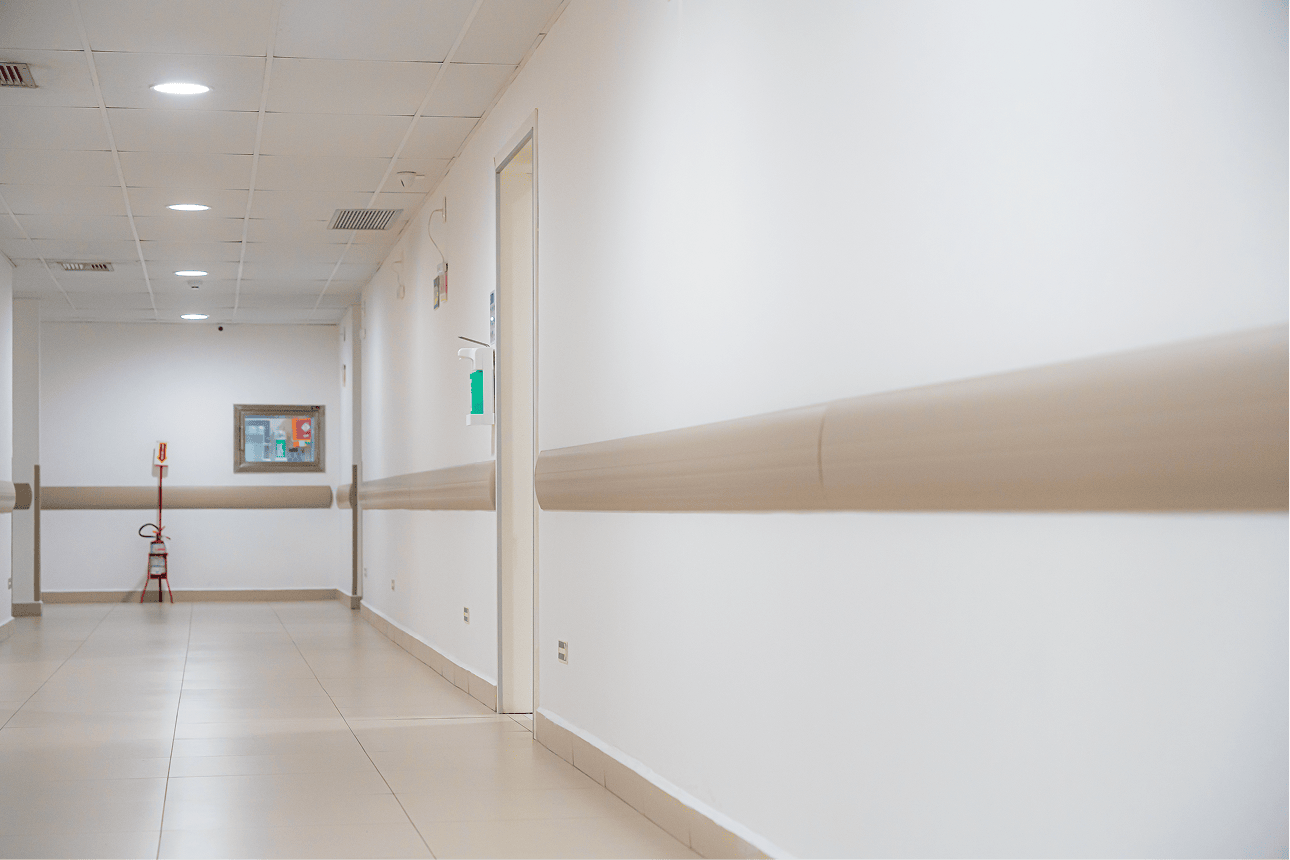
In environments with high circulation of people, equipment, and furniture, protecting walls against impacts is essential to preserve aesthetics, increase the durability of spaces, and reduce maintenance costs. In this context, wall protectors, also known as wall guards or crash rails, offer a practical, resistant, and functional solution for different applications.
Widely used in hospitals, clinics, hotels, schools, corridors, and corporate environments, these products help minimize damage caused by frequent contact with stretchers, carts, chairs, and other equipment.
In this content, you will understand the importance of wall protectors and find installation and maintenance tips to ensure greater protection and practicality in different environments.
The Importance of a Wall Protector
Constant impacts can cause scratches, marks, and wear on walls, compromising both the preservation and appearance of environments. In places with high circulation, such as hospitals, clinics, hotels, and corporate corridors, this wear tends to be even more frequent.
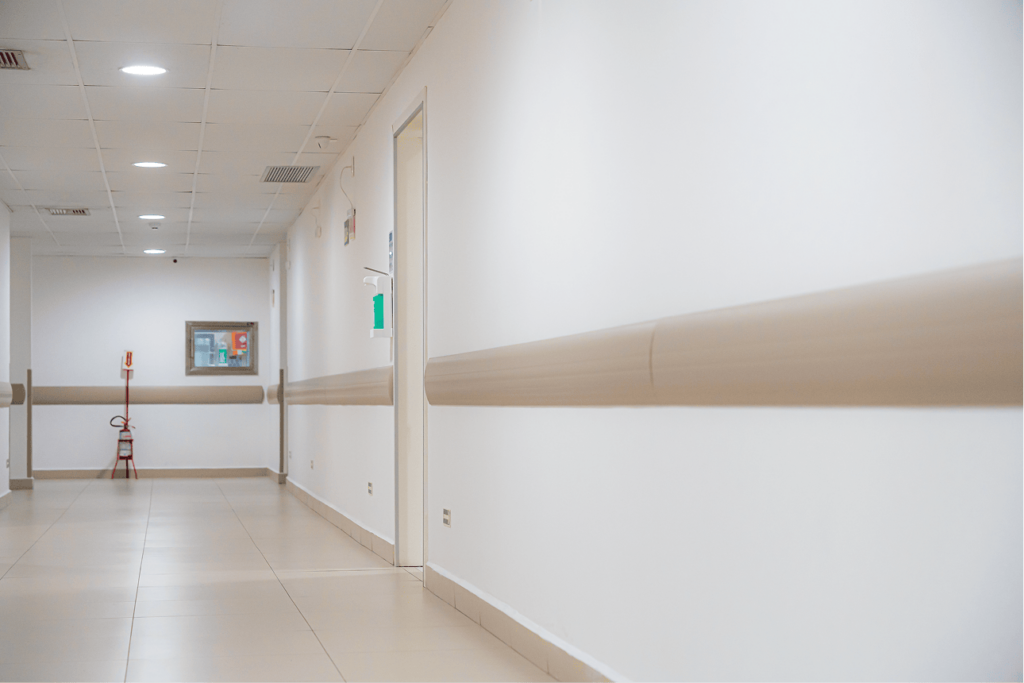
Among the main benefits of wall protectors are:
- Protection against impacts and wear;
- Greater durability of surfaces;
- Reduced maintenance and repair costs;
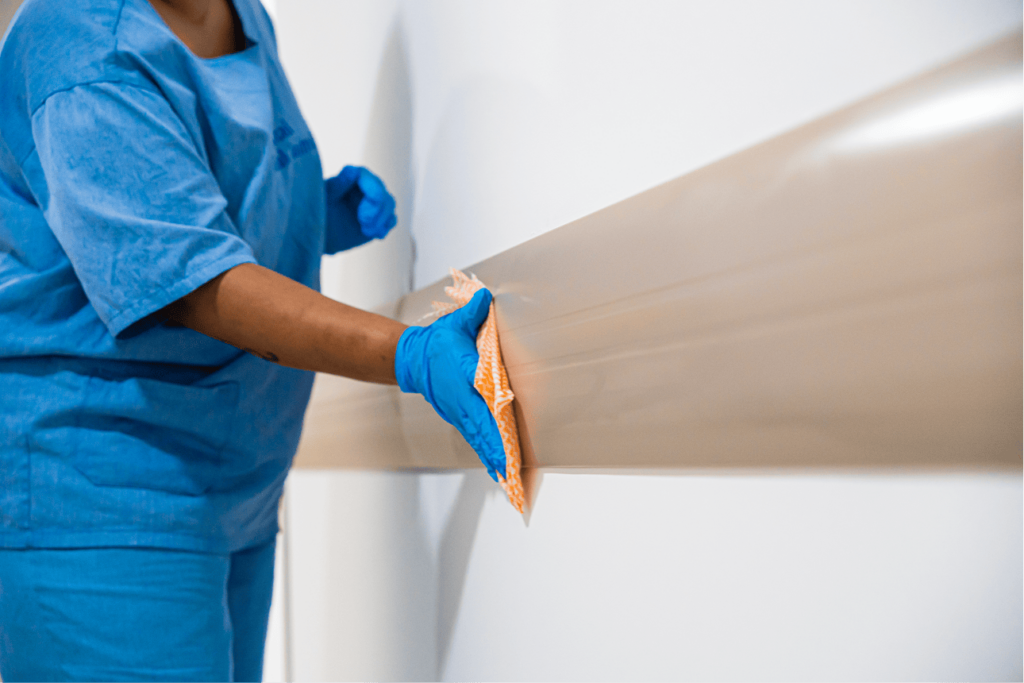
- Easy cleaning and sanitization;
- Improved aesthetic finish;
- Safety and functionality for high-traffic environments.
Models such as crash rails are widely used in high-traffic areas because they offer resistance, practicality, and greater everyday safety. In addition, current solutions combine protection and design, with options that easily adapt to different architectural projects.
Read also:
Composition of hospital environments: how to integrate protection, aesthetics, and functionality.
Installation and Maintenance: how to Install a Wall Protector
Correct installation of wall protectors is essential to ensure resistance, durability, and an efficient finish. Depending on the model and the type of surface, the installation can be done with industrial adhesives or with suitable screws and wall plugs.
Installation is simple and can be done by following a few basic instructions:
- Prepare the surface: Make sure the wall is clean, dry, and free from any residue such as dust, grease, or loose paint.
- Determine the ideal height: The installation height may vary according to the needs of the project, but it is generally positioned in the area most exposed to impact. Check the manufacturer’s recommendations for each model.
- Mark the fixing points: Using a level, mark the points on the wall where the screws or adhesive tapes will be applied, ensuring that the protector is perfectly aligned.
- Choose the right tool: Use screws and wall plugs suitable for your wall’s surface type. For drywall, for example, specific wall plugs are required.
- Attach the protector: Firmly attach the wall protector, aligning it correctly to ensure a professional finish without irregularities.
For more details, check out the full installation videos for Tecnoperfil protectors:
TEC 093, 054, 127, and 267 Protectors
TEC 198N Protector – Vinylshock
Protector and handrail – TEC 026N
Maintenance: Maintaining Tecnoperfil wall protectors is extremely simple. Since they are resistant to fungi and moisture, simply clean them regularly with a damp cloth and neutral detergent. Avoid abrasive products that may damage the PVC finish.
Tecnoperfil Wall Protectors: The Choice That Combines Quality and Innovation
Tecnoperfil offers a complete line of wall protectors developed to ensure protection, resistance, and durability in different types of environments. Made with high-quality materials and subjected to rigorous performance and impact-resistance tests, the products are ideal for projects that require safety, practicality, and easy maintenance.
With options for hospitals, hotels, corridors, corporate areas, and residential spaces, wall protectors help preserve environments and provide a more functional and organized finish.
Discover Tecnoperfil’s complete line of wall protectors:
Tecnoperfil Wall Protectors